INSTALLATION

INSTALLATION INSTRUCTIONS

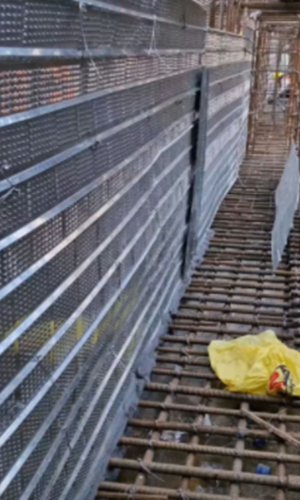
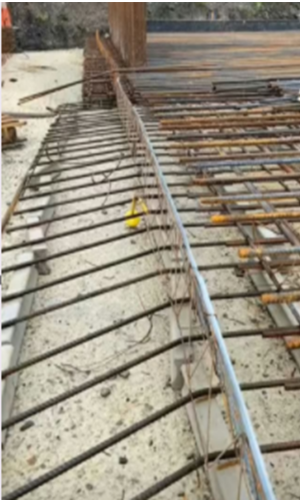
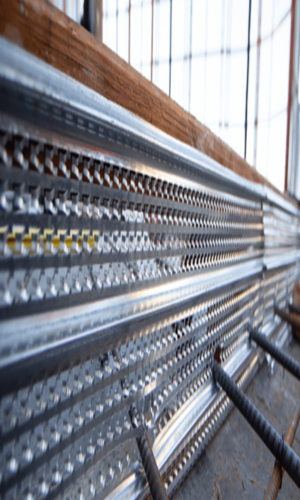
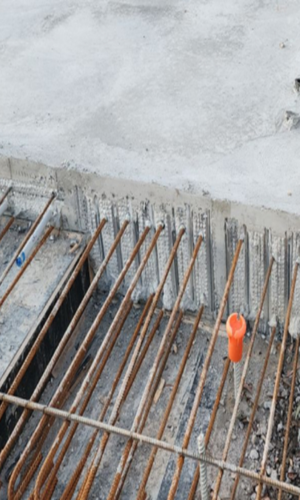
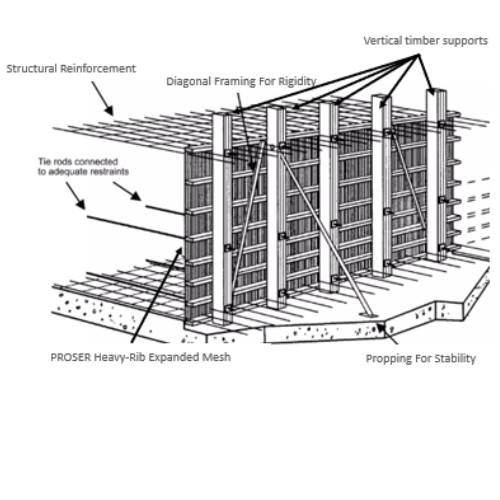
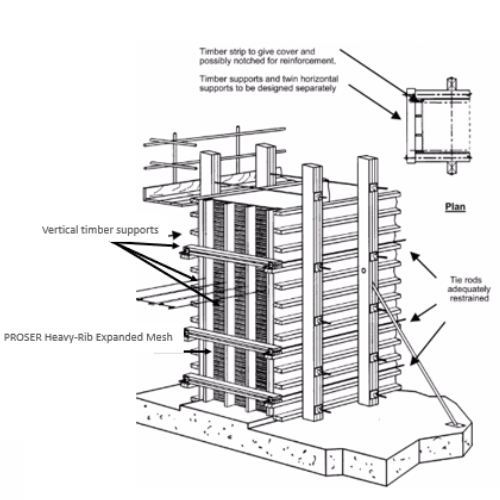
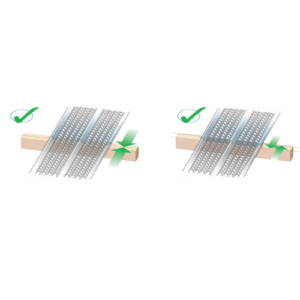
1)FIXING TO SUPPORTS : Secure the PROSER Heavy-Rib Sheets to temporary timber supports or to rebar supports using nails or tie wires, ensuring that the peaks of the V-Ribs point toward / into the first concrete pour.

2) FIRST POUR : Pour & compact the first section. Let the concrete paste form a mechanical anchor pattern as it presses against the PROSER Heavy-Rib Expanded Mesh.

3) SECOND POUR : Without removing the mesh, cast the adjacent concrete section directly against the back of the PROSER Heavy-Rib Expanded Mesh.
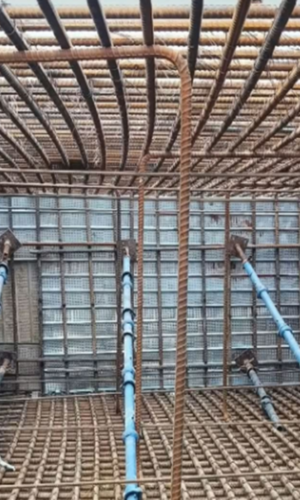
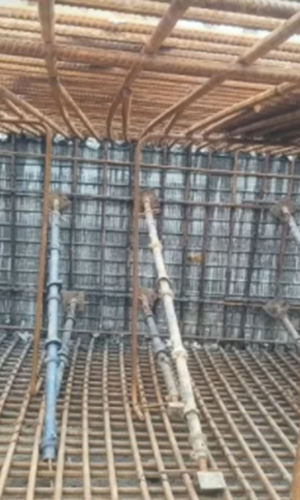
DETAILS OF SUPPORTS FOR CONSTRUCTION JOINTS

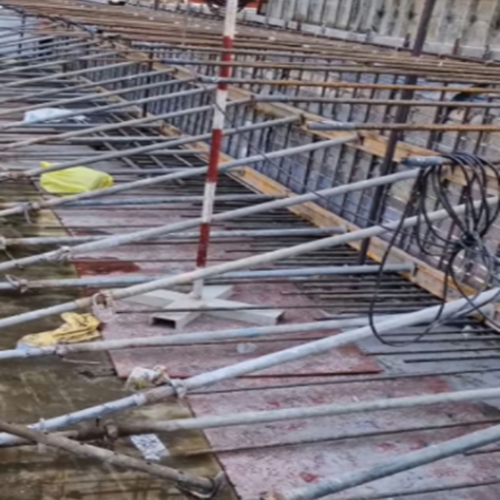
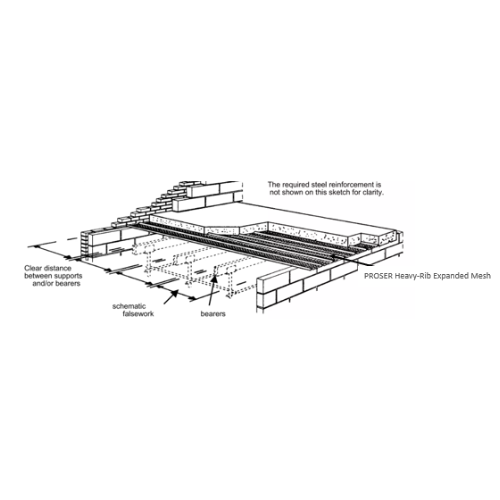
Raft / Other Slabs with Higher Thickness

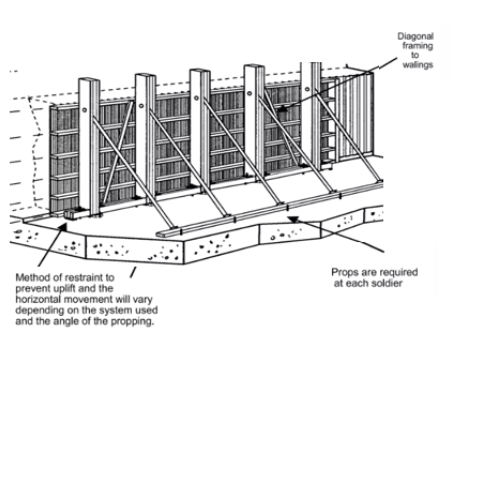
Supports For Wall Construction Joints

Typical Arrangement as Permanent Soffit Formwork

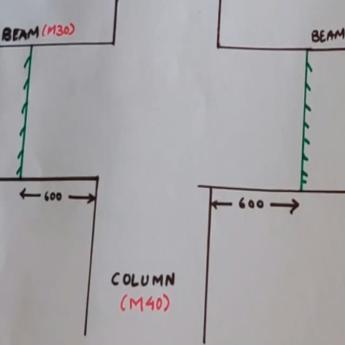
For Pour Seperation Between Different Grades of Concrete

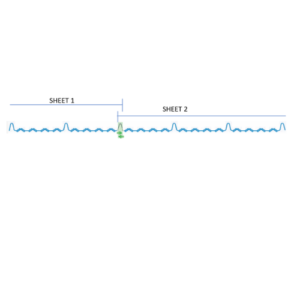
SIDE LAPPING OF PROSER HEAVY-RIB EXPANDED MESH SHEETS

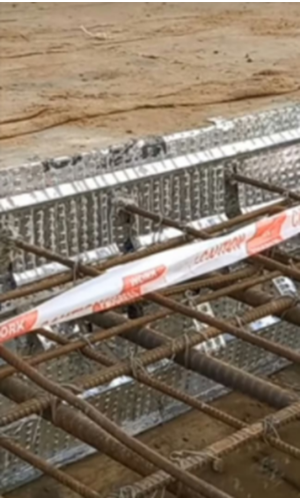
Lap Edge Ribs only : approximately 12 mm overlap

Tie the lapped edge ribs at 300 mm c/c using binding wires (150 mm c/c for soffits)

END LAPPING OF PROSER HEAVY-RIB EXPANDED MESH SHEETS

Typical end lapping of sheets for wall stopends & construction joints : Butt ends together with zero overlap

In case overlapping is needed, it should range between 25 mm to 50 mm: tie the sheets tightly together t minimize the gap & nail OR tie the sheets to the timber supports using binding wires.

CONCRETING / PLACEMENT

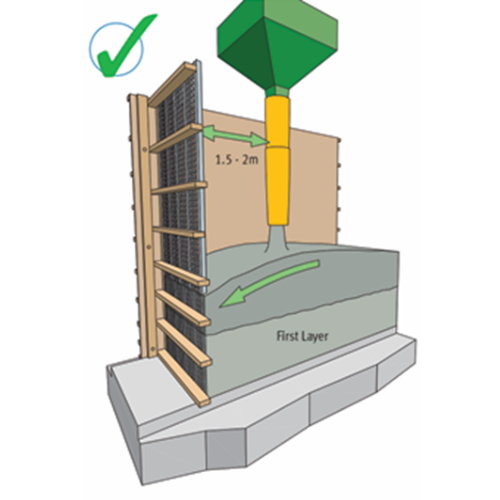
✔ Use correct length of pipe trunking or tremie tube.

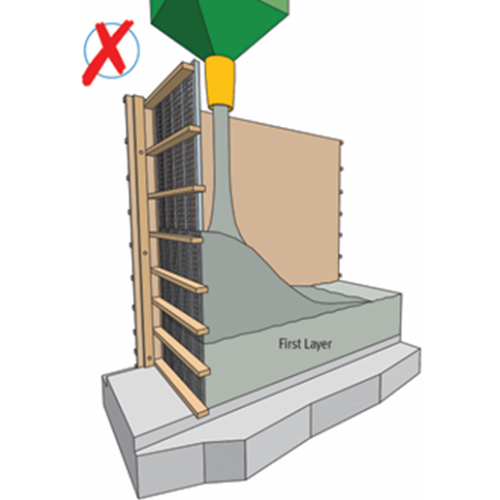
✔ Place concrete at least 500 mm from the stop ends of the PROSER Heavy-Rib.

✔ Allow concrete to naturally flow up toward the stopend of the PROSER Heavy-Rib.

❌ Don’t dump the concrete from excess height.

❌ Don’t discharge concrete directly against the stop ends of the PROSER Heavy-Rib.

❌ Don’t allow concrete to pile up against the stopend of the PROSER Heavy-Rib.

CONCRETING / VIBRATION COMPACTION

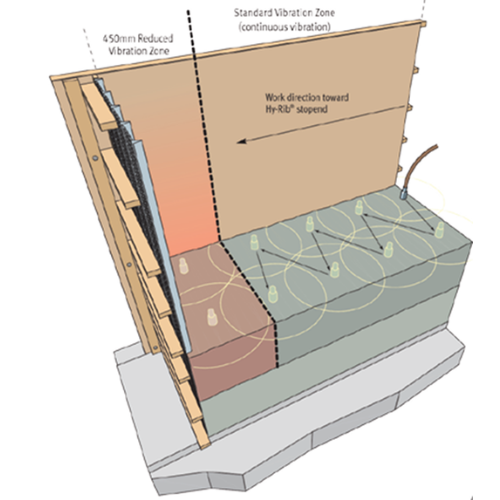
Standard vs. Reduced Vibration Zones

Standard Vibration Zone (> 450mm from face):

  • Normal continuous internal vibration (poker) is safe to use here.
  • Adequately compacts the bulk of the concrete mix without stressing the mesh 

Reduced Vibration Zone (Within 450mm of face):

  • Prohibit continuous or excessive vibration in this boundary.
  • Limit action to intermittent 5-second bursts.
  • Stop vibrating immediately once cement grout bleeds through the mesh keyholes 
  •  

Critical Rules for Compaction

  • Never touch the mesh: Do not allow the vibrator poker to make direct contact with the PROSER Heavy-Rib sheet or steel reinforcement near the face.
  • No external vibrators: External formwork vibrators are strictly not recommended for use with PROSER Heavy-Rib systems.
  • Soffit applications: Hand tamping is strongly preferred over mechanical internal vibration when PROSER Heavy-Rib is used horizontally as soffit formwork.

Vertical Applications (Walls and Stop-Ends)

  • Pour rate limits: Restrict the vertical rise to 1.0 to 1.5 metres per hour to prevent excessive hydrostatic pressure against the mesh.
  • Layer depth: Deposit concrete in uniform horizontal layers between 300mm and 500mm deep.
  • Vibrator insertion: Insert the poker vertically into the layer, holding it steady for 5 to 15 seconds in the standard zone.
  • Mesh observation: Watch the PROSER Heavy-Rib face during compaction; stop vibrating the moment a creamy cement grout paste begins to emerge through the mesh openings.

Horizontal Applications (Slabs and Soffits)

  • Discharge direction: Point the concrete delivery hose away from the mesh face, allowing the mix to flow naturally over it rather than striking it directly.
  • Compaction method: Use a vibrating screed or hand tampers across the top surface rather than a deep internal poker.
  • Poker restriction: If an internal poker must be used due to slab depth, angle it horizontally and keep it strictly in the upper half of the concrete layer.
Scroll to Top